
Time and Money: The Two Resources We Wrestle With Most
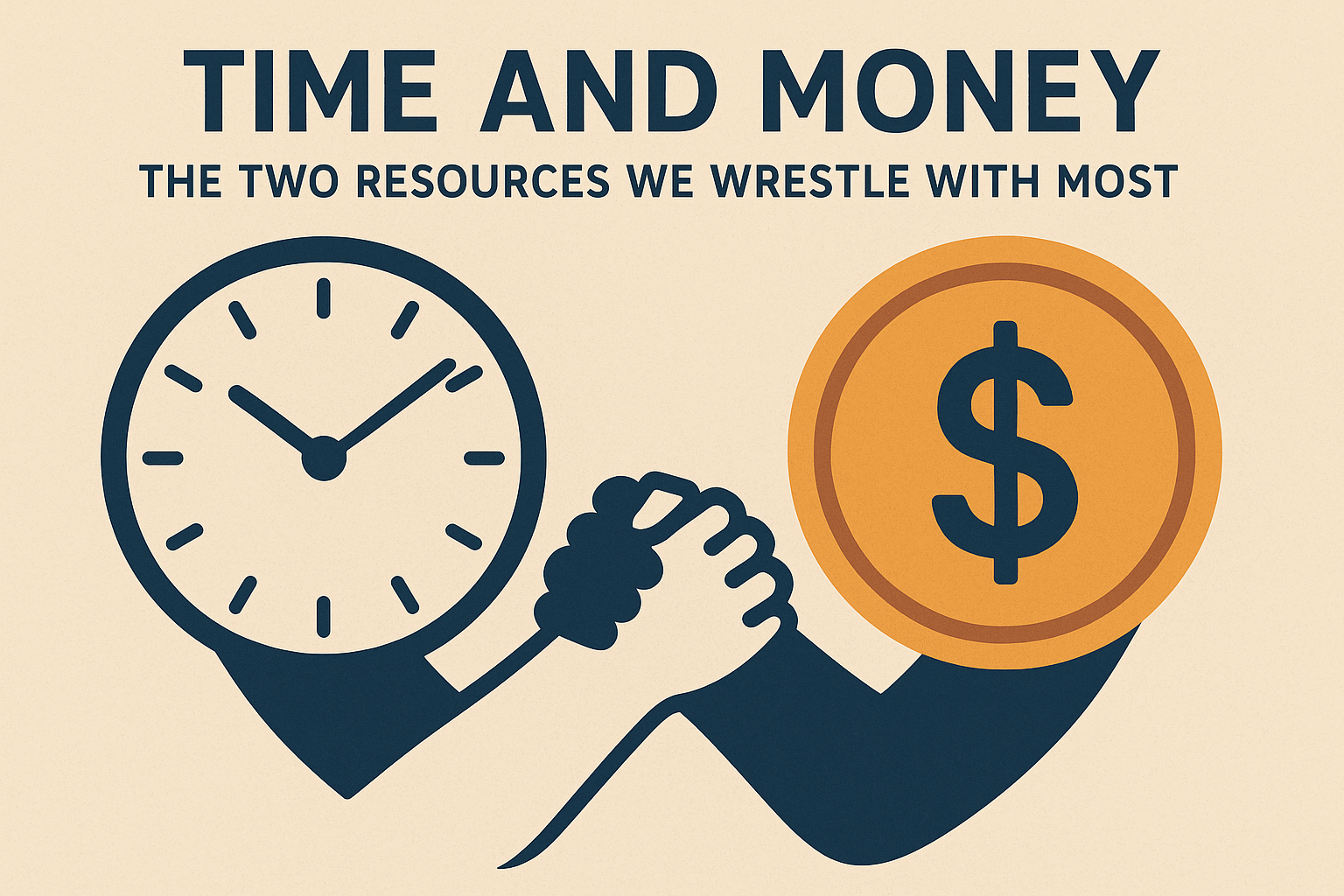
Time and money—two resources we constantly wrestle with in life. We often wish we had more of both. While money can be earned, managed, and even lost, time is different—it’s a non-renewable resource. We can’t create more of it; we can only decide how to spend it. The only certainty is that time is slipping away, and we have no idea how much of it we have left. Unlike money, time isn’t earned, and there are no bonuses for using it wisely.
It’s sobering to consider how much time we waste on distractions instead of focusing on what truly matters. This idea is captured perfectly in City Slickers (1991). The movie follows three middle-aged friends from New York City who embark on a two-week cattle drive in the Southwest to escape their midlife crises. Led by the grizzled and tough cowboy Curly (Jack Palance), they struggle with the challenges of ranch life while learning valuable lessons about friendship, self-discovery, and what truly matters. The film blends humor with heartfelt moments, culminating in a transformative experience that helps the friends find new purpose and direction.
During the movie, Curly Washburn (Jack Palance) shares a simple but profound truth with Mitch Robbins (Billy Crystal):
Curly: “Do you know what the secret of life is?”
(He holds up one finger.)
“This.”
Mitch: “Your finger?”
Curly: “One thing. Just one thing. You stick to that, and everything else don’t mean [expletive].”
Mitch: “That’s great, but what’s the one thing?”
Curly: “That’s what you have to figure out.”
Curly’s wisdom reminds us that we each have to discover our one thing—our key purpose or passion. And if we’re not intentional about how we spend our time pursuing it, we risk missing out on what truly brings fulfillment.

Comparing Time and Money
We often think of time and money as similar resources—we budget them, spend them, and sometimes even waste them. But there’s one key difference: money is renewable, while time is not. If you run out of money, you can always earn more. You can pick up a side job, invest wisely, or adjust your spending to rebuild your finances. Money has its ups and downs, but there’s always an opportunity to recover.
Time, on the other hand, is a one-way street. Once it’s gone, it’s gone forever. You can’t earn extra hours in a day, deposit unused time for later, or rewind moments you wish you had spent differently.
That’s why being intentional with time is even more critical than managing money. We carefully track our bank accounts, but do we track how we spend our days? We budget for vacations and major purchases, but do we budget time for what truly matters—our family, passions, and personal growth?
We all have regrets when it comes to time. Maybe you stayed home watching TV instead of celebrating a friend’s birthday, or you looked up from your phone only to realize you wasted an opportunity to work out because you got sucked into scrolling on social media. I know I’ve been there.
On a recent Saturday morning, I had planned to watch my son’s lacrosse games, but he wasn’t feeling well, so we decided not to go. Suddenly, my entire day opened up. You’d think I’d be grateful for the unexpected free time and take advantage of a rare activity-free Saturday, but instead, I wasted an hour and a half mindlessly scrolling on my phone before catching myself. I literally stopped and thought, “What am I doing? This time is a gift, and I’m throwing it away.”
At that moment, I refocused on my one thing—which, to be honest, led me to start writing this blog post. From that point on, I made intentional choices with how I spent my time throughout the day: spending quality time with my wife and kids, working out, reading the Bible and praying, walking the dogs, and reaching out to friends and family just to check in and let them know I was thinking about them.
While money can buy comfort and security, it can’t buy back wasted years. Understanding this difference is key to making better choices with both. The challenge isn’t just about managing time or money—it’s about making sure we invest both in what truly matters… Curly’s one thing.
Practical Tips for Managing Time and Money
Understanding the difference between time and money is important, but knowing how to manage both effectively is what truly makes a difference. Just like a solid financial plan helps build security and wealth, intentional time management allows us to invest in the things that really matter. Here are some practical strategies to help you take control of both.
1. Be Intentional with Your Time
Time has a way of slipping through our fingers, especially when we don’t have a plan—or when plans suddenly change. Just like you wouldn’t spend money carelessly (you wouldn’t do that… right?), you shouldn’t let time pass without purpose.
I have a couple of friends who live in other states, and I’ll be the first to admit—guys are notoriously bad at keeping in touch. But instead of making excuses, we make a point to set aside time to meet up regularly. With busy lives packed with baseball, football, track, vacations, and endless commitments, finding time isn’t easy. But we make the time. We put it on the calendar, commit to it, and follow through.
The best part? Knowing that everyone made the effort to prioritize that time together. It makes those moments even more meaningful.
Strategies to Manage Your Time Wisely
Start with a time budget – Just like a financial budget, track where your time goes each week and identify areas where you can cut waste.
Prioritize your “one thing” – Identify what truly matters most to you and make it a non-negotiable part of your schedule. In my family, my kids’ track meets, lacrosse games, and football games are a priority. When those are on the calendar, we say no to other commitments.
Use time blocks – Set dedicated periods for work, family, fitness, faith, and rest. Protect these blocks like you would an important financial investment.
Eliminate distractions – Social media, TV, and unnecessary obligations can quietly steal our time. My wife and I love our shows, but sometimes we get caught up binge-watching How I Met Your Mother or Only Murders in the Building. We’re working on setting boundaries.
2. Make Smart Financial Decisions
Good money management isn’t about how much you make—it’s about how well you use what you have. My ideal clients are couples who make a ton of money, yet at the end of the month, they’re left wondering, Where did it all go?
Create and stick to a budget – Telling your money where to go gives you control, so it no longer controls you. Because we took control, we paid off over $300,000 in debt, including our mortgage, and achieved financial freedom. Now, we can build wealth, give generously, and pursue interests that enrich our lives.
Pay yourself first – Automate savings and investments so that your future goals are funded before spending on non-essentials.
Avoid lifestyle creep – As your income grows, don’t inflate your lifestyle unnecessarily. Resist the temptation!
Give every dollar a job – Just like time, your money should align with your values and priorities.
People often ask me, “TJ, is it okay to buy a new TV?” or “Should I use this money to celebrate my birthday?”
I always respond the same way: Is this a priority? Does it provide value? Does it contribute to your “one thing”?
Because if you don’t tell your money where to go, it will disappear—just like time.
Conclusion
Managing time and money wisely isn’t about perfection—it’s about intentionality.
Prioritize what truly matters.
Set boundaries for time and money.
Make your resources work for you—not the other way around.
So, ask yourself: Are you controlling your time and money, or are they controlling you?
Start small. Make one intentional change this week. Over time, those small changes will transform your future.
God has given us the gift of time and resources. Let’s be good stewards of both.
Want coaching?
Let’s connect, let’s build you up, let’s make you elite and let’s get you to believe in yourself!
Schedule a free financial coaching session here.
TJ is a financial coach that helps couples who earn good money but feel like they have nothing to show for it. They’re unsure about their financial situation and frustrated that they aren’t where they should be. He provides a path forward and helps them believe in themselves so they can get unstuck, gain confidence, take control and change their financial future.
Let’s chat—book a free call:
About the Author
TJ Recinella (Owner/ Founder of TJR Financial Coaching)

TJ helps couples who earn good money but feel like they have nothing to show for it. They’re unsure about their financial situation and frustrated that they aren’t where they should be. He provides a path to help them get unstuck, gain confidence, and change the financial future of their families.
.